
Looking for a rare boy's name often means steering between two pitfalls. On one hand, top-20 names that three children in the same class will share. On the other, names that will have your son spelling out his name for the rest of his life. Here are forty options that strike the right balance, grouped by sound family.
A useful thing to bear in mind before choosing: a name that's truly rare today won't necessarily stay that way. Names rise and fall in waves lasting around fifteen years, and one that nobody has in 2026 could be everywhere by 2032.
Old-fashioned names making a comeback
This group brings together names once borne by great-grandfathers, forgotten for two generations, then back in favour. They have the advantage of sounding familiar without being common.
Marceau, Aristide, Auguste, Léon, Basile, Anselme, Célestin, Barnabé, Eugène, Firmin. In practice, they sound good spoken aloud, they're easy to spell without hesitation, and they age well with the child: a six-year-old Célestin becomes a forty-year-old Célestin without any trouble.
Do watch out for trends coming back into fashion, though. Marceau and Basile are already no longer rare at all in some regions, whereas Anselme or Firmin clearly remain so.
A rare, short boy's name
Short names are quick to remember and carry well when shouted from a window, which isn't a minor point. On the other hand, they leave less room for nicknames, which some parents don't like.
Ilan, Noé, Swann, Elio, Nils, Aksel, Ivan, Milo, Ilyes, Sacha. What's more, this group pairs easily with long or tricky surnames, whereas a three-syllable first name would weigh the whole thing down.
One practical tip: check the initials. A short first name next to a short surname can sound punchy, but it can also spell out an unfortunate set of initials on a school bag.
Names from further afield
This group covers names of Arabic, Hebrew, Slavic, Nordic or Italian origin, used in France without being widespread there.
Ayden, Sohan, Naël, Yaël, Elias, Nathanaël, Isaac, Tiago, Enzo, Matteo for the softer-sounding ones. Then, on the Nordic and Slavic side: Björn, Aksel, Milan, Ivo, Ruben, Anton. These names travel well, which matters if the family is binational or the child might live elsewhere one day.
That said, get someone outside the family to test the pronunciation. A name that's obvious in your mother tongue can become unrecognisable coming from a teacher, and the child will spend ten years correcting people.
Nature and elemental names
These have grown in popularity in recent years without becoming common. Aubin, Sylvain, Océan, Ambre used as a boy's name in some families, Corentin, Yvain, Merlin, Aurélien, Silas, Roch.
However, this group calls for some caution. A name that's too image-laden pins an intention onto the child, and not everyone wants to carry an environmental or poetic statement by the time they reach secondary school. Silas and Roch fare better than Océan in this respect.
How to check whether a name is truly rare
The INSEE names database records every birth registered in France since 1900, with the exact number of children given each name each year. It's the only source that really settles the question, and it's publicly available.
Look at the trend, not just last year's figure. A name that jumps from 40 to 300 uses in three years is on the rise: it will be common by the time your son starts Year 1. Conversely, a name that has stayed steady at around 50 for twenty years is likely to remain rare.
Then test three things out loud: the name shouted from the garden, the name said over the phone to a stranger, and the name followed by the surname. This thirty-second test rules out more contenders than hours spent poring over lists.
The pitfalls of choosing a rare name
The first pitfall: creative spelling. Swapping an i for a y doesn't make a name rare, it just makes it a hassle to write. The child will be correcting their name on every form for the next sixty years.
The second pitfall: choosing a name against someone. A name picked purely to avoid resembling a cousin's, or to needle a mother-in-law, can easily backfire. The name is there to serve the child, not to settle a family score.
A third pitfall, rarer but real: a registrar can report a name to the public prosecutor if it's deemed contrary to the child's interests. Such cases involve names that are ridiculous or clearly invite mockery, not simply originality.
A name: the first gift you ever give
A child recognises their own name before they can even read it. They spot it in conversation, on a coat peg, in a song. This word becomes the very first thing that's truly theirs, long before their bedroom or their favourite cuddly toy.
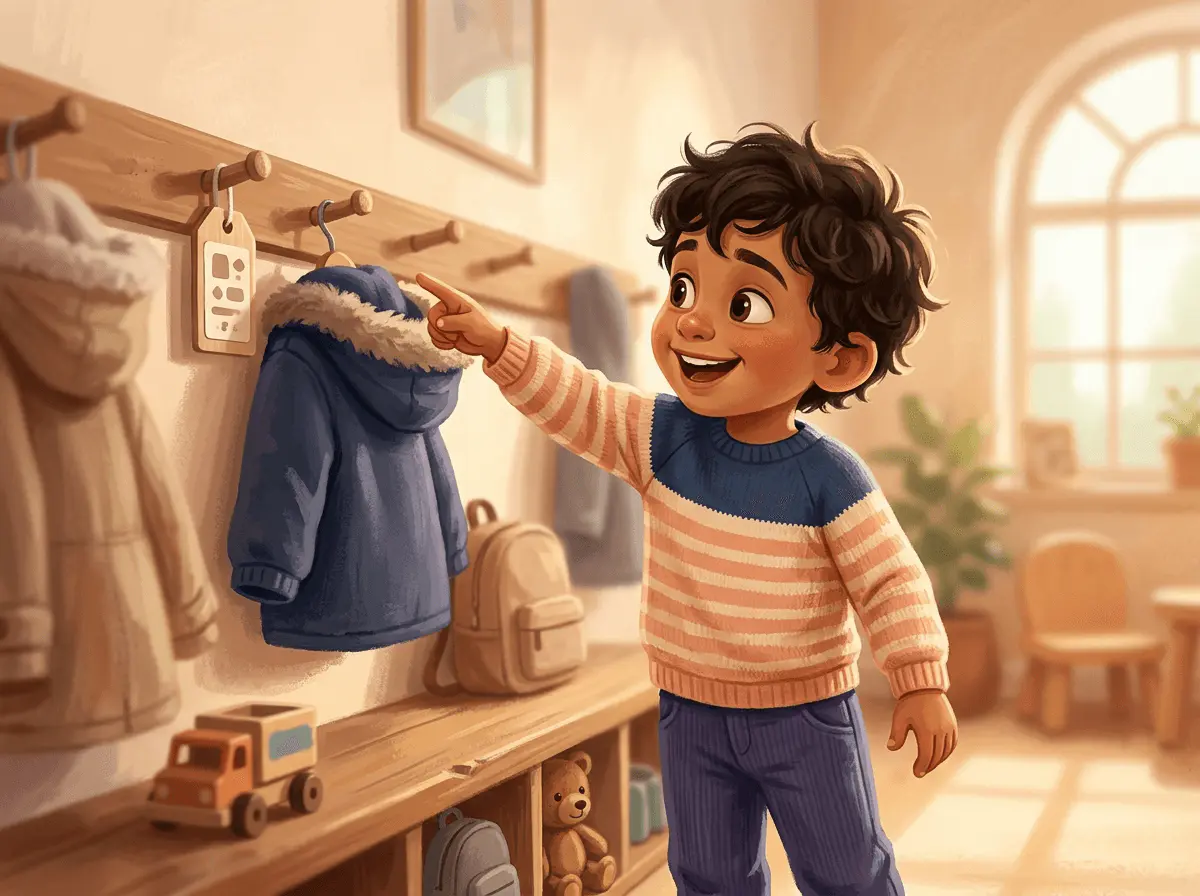
That's why seeing it written down matters so much at around three or four years old. Many families mark the moment with a story where the child's name is the main character. If you'd like to give your child their own, you can create a book with their name on the cover.
To help you decide between your three shortlisted names, the INSEE names database gives the real figures, year by year.
In the end, the right name isn't the rarest one. It's the one you'll say fifty times a day without ever tiring of it.