
The book for a 7-year-old arrives at the worst possible moment in their learning journey. By now, they can read without sounding out every word, more quickly, almost fluently. And yet this is precisely the year when many children give up reading for pleasure. Decoding is no longer an obstacle, but school has just turned reading into a graded subject.
Here's how to keep the enthusiasm alive, with six formats that genuinely work in Year 2.
Reading at age 7: the pivotal year
At six, reading is a real achievement. Every finished page brings a clear sense of pride. At seven, the achievement becomes ordinary, and so it goes unnoticed. Yet reading still demands just as much effort as before.
As a result, the child puts in real work for a reward that has vanished. Many teachers notice this dip midway through Year 2. In practice, the child reads what's asked of them and nothing more.
The remedy comes down to one simple principle: bring back an immediate reward. A story that grips from the very first page, a short format that reaches an end, a subject they've chosen themselves. The level of difficulty matters far less than these three elements.
Three formats that hold a beginner reader's attention
1. The series with a recurring character
The same hero, the same world, a different adventure in each book. They no longer have to relearn the setting, so they're drawn into the story by page two. What's more, finishing one book makes them want the next, which builds a natural rhythm.
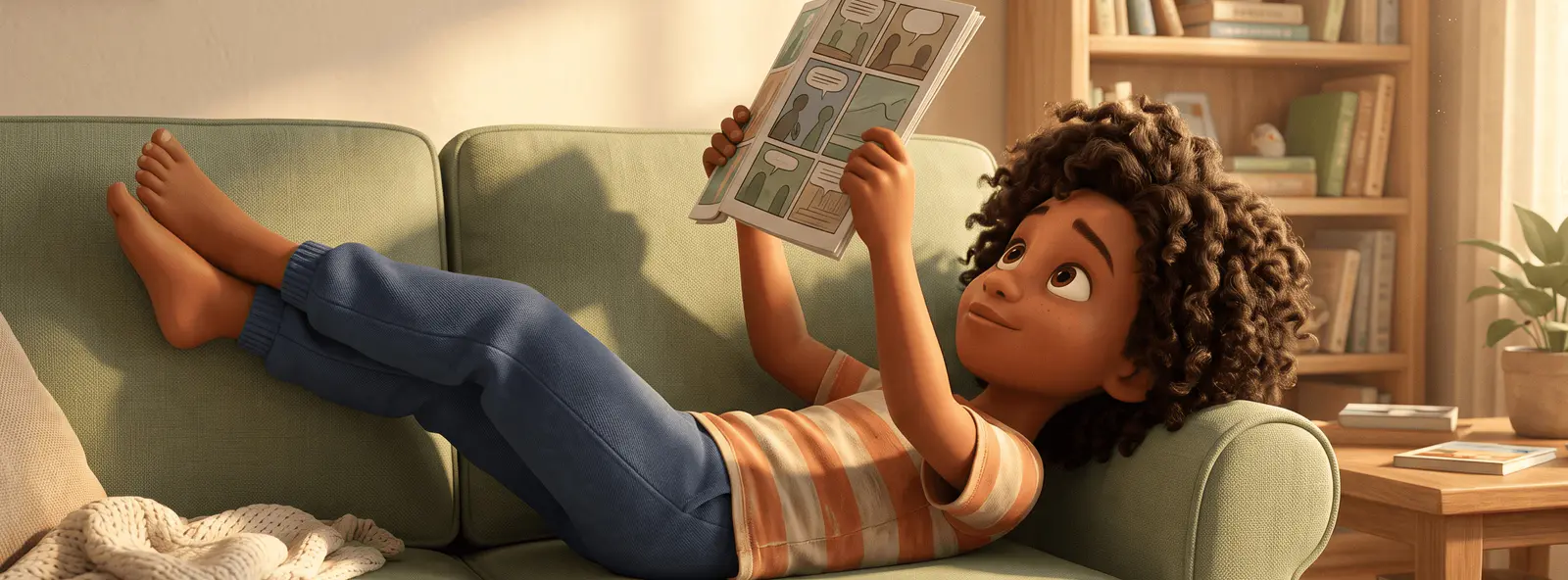
2. Children's comics, guilt-free
Many parents see comics as a lesser form of reading. Yet they demand real skill: reading the image, reading the text, connecting the two, inferring what happens between panels. In fact, they train exactly the skills that novels will later require.
3. The non-fiction book about their current obsession
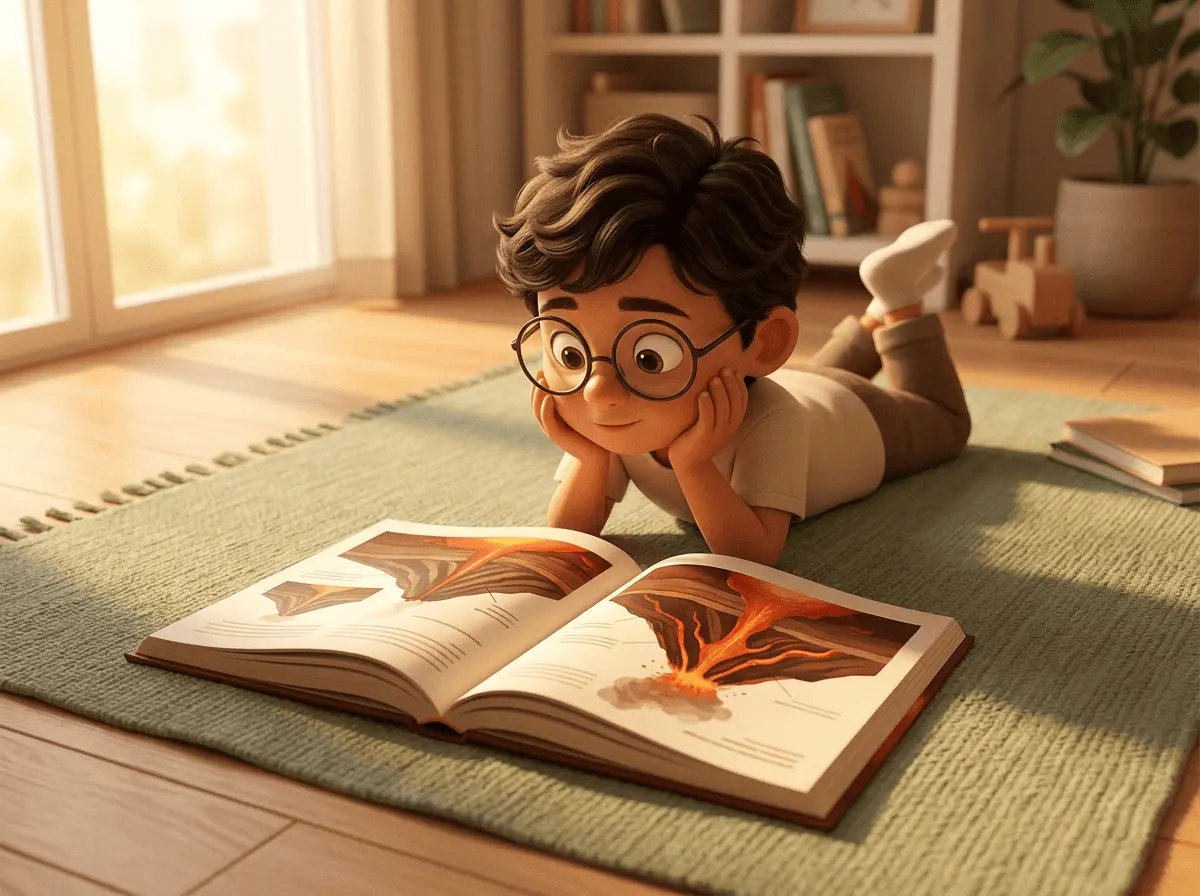
Volcanoes, football, horses, space, the human body. The text is broken into small chunks, so it's easy to read in short bursts. That said, let them genuinely choose the subject: a topic imposed on them will be closed after three minutes.
Three formats to read together, aloud
4. The evening serial novel
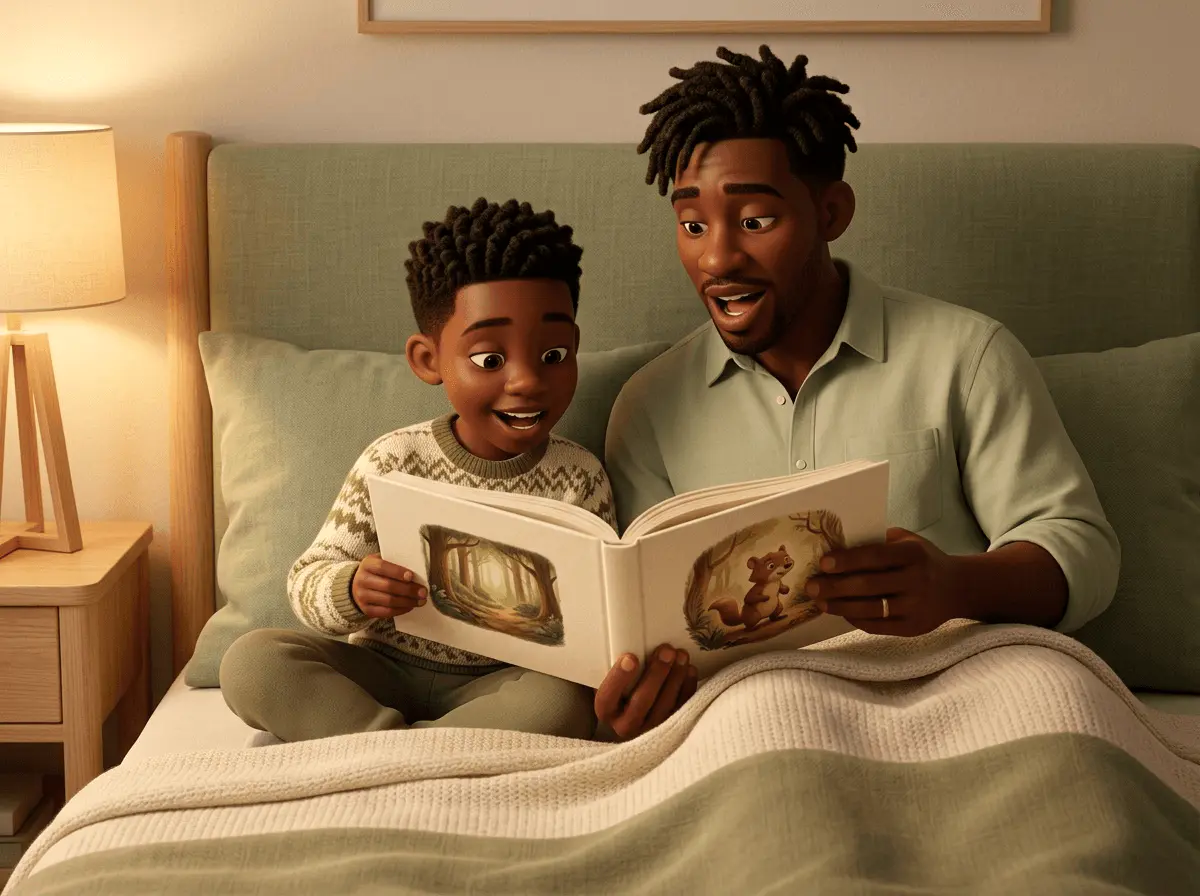
One chapter a night, you read, they listen. The text can be well above their decoding level. Indeed, at this age their listening comprehension far outstrips their independent reading ability.
5. Two-voice reading
You read the descriptions, they read the dialogue. They take part without carrying the whole effort. However, let them choose their character, otherwise the exercise starts to feel like schoolwork again.
6. The book where they become the hero
Their first name, their face, whatever world they're into right now. At seven, they know perfectly well it isn't really them, and that's exactly why it works. They play along fully aware, which makes the identification stronger, not weaker.
This format gives a concrete reason to make the effort. You can create the story where your child becomes the hero and let them discover on their own the page where their name appears.
Books for 7-year-olds: the mistake that puts them off
The most common mistake is evaluating every single reading session. "Did you understand that?", "read it again, you skipped a word", "tell me how it ends". Each of these phrases is perfectly reasonable on its own. Together, they turn the bedtime book into an ongoing test.
Keep at least one reading session that is completely unassessed. You read or they read, nobody checks anything, nobody corrects anything. In short, a space where reading serves no purpose other than itself.
A second common mistake: stopping reading aloud to them because they can now read themselves. Yet reading aloud remains valuable well beyond Year 2. It builds vocabulary, gets them used to the rhythm of longer sentences, and keeps the ritual alive.
A third mistake, rarer but costly: imposing a daily page quota. The intention seems sound, since it creates regularity. Yet a child counting down the remaining pages is no longer reading a story, they're getting through an obligation. Choose a short, fixed amount of time instead, and let them stop mid-chapter if they wish.
When difficulty goes beyond simple lack of enthusiasm
A child who reads slowly in Year 2 doesn't necessarily have a learning difficulty. Pace varies enormously at this age, and many children take off in Year 3. Even so, certain signs are worth a professional's opinion.
- Persistent confusion of similar-looking letters after a full year of Year 1.
- Disproportionate tiredness after just a few minutes of reading.
- Very good listening comprehension but reading that has stopped progressing altogether.
- A strong, consistent refusal of any written material.
A speech and language therapist or school doctor will be far better placed to judge than an online search. For context, Inserm provides information on specific learning disorders. This kind of reading helps avoid both excessive worry and denial.
They don't need to love reading straight away. They just need us not to spoil the year when it's decided.