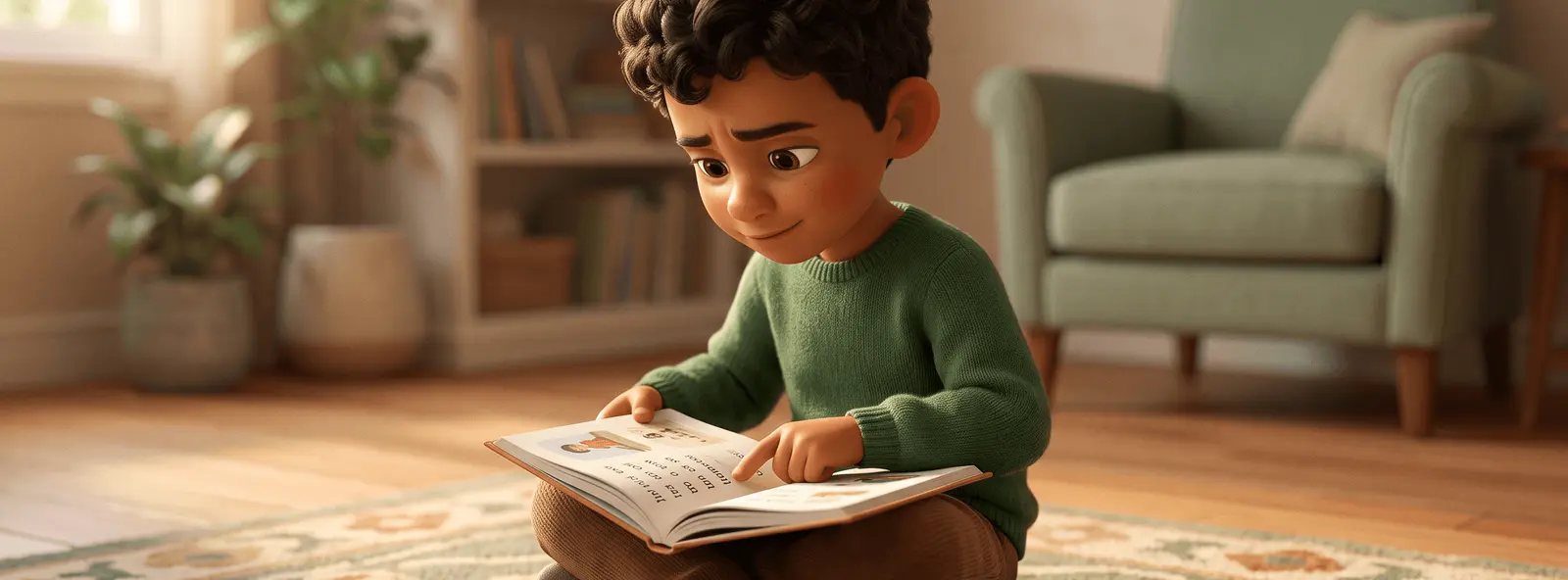

Choosing a book for a 6-year-old means aiming at a very narrow target. He's been sounding out words for a few months now, laboriously, one word at a time. Yet his mind craves stories far richer than anything he can read alone. The trouble is, most books fall on one side or the other of that gap.
Here's how to choose without going wrong, with seven types of books that genuinely work at this age.
The great reading gap at age 6
At six, a child can understand stories at a Year 3 level by ear. Yet he can barely decode three lines on his own. This gap between what he understands and what he can decode lasts about two years, and it explains almost every book-choosing mistake.
In practical terms, a book that's too hard puts him off within two pages. A book that's too easy feels humiliating. So the right approach isn't to find THE perfect book, but to keep two piles going at home.
The first pile, he reads alone: very short, large print, lots of pictures. The second, you read to him: ambitious, longer, with vocabulary he doesn't yet know. These two piles serve completely different purposes.
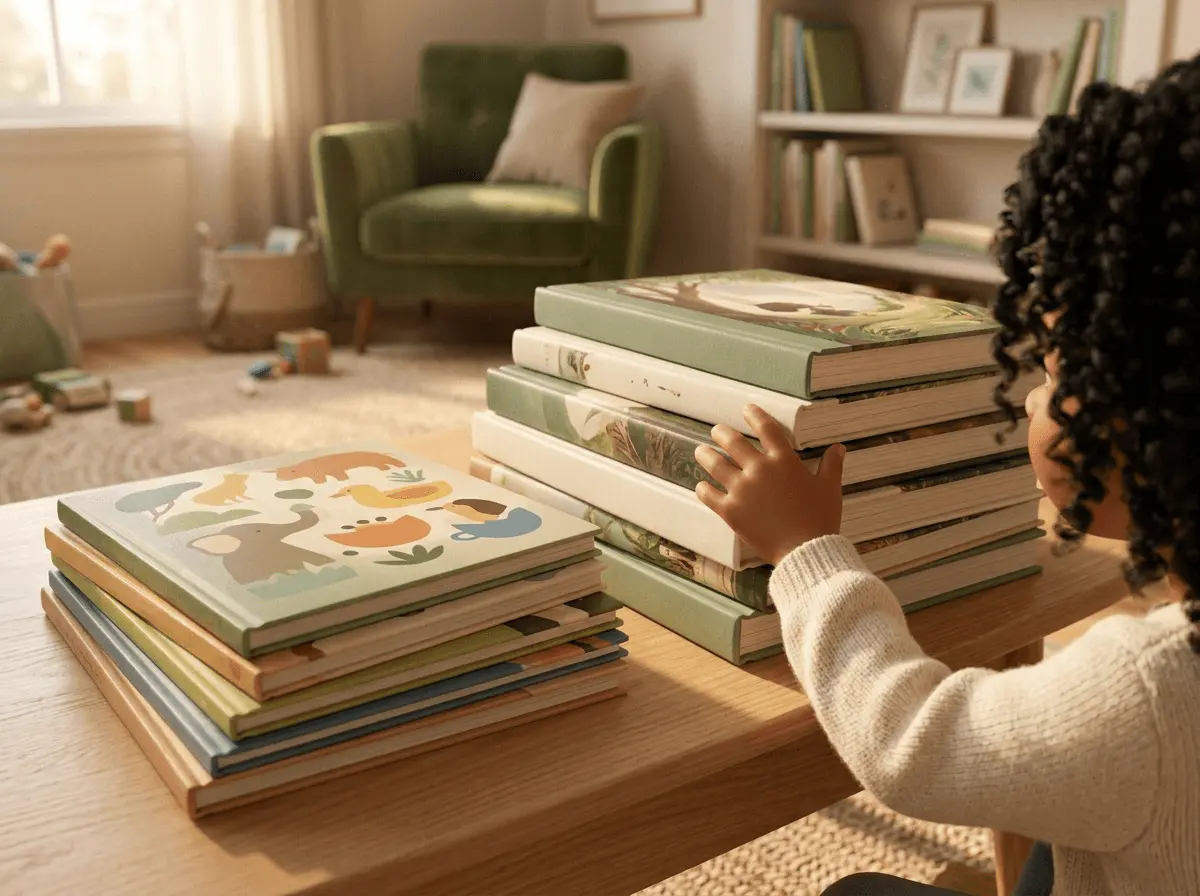
What he can read entirely on his own without getting discouraged
1. Early readers with large print
One sentence per page, one illustration per sentence, a complete story in thirty pages. This way, he turns the pages quickly, finishes the book, and feels like a real reader. At this stage, that feeling of finishing matters more than the content itself.
2. Heavily illustrated non-fiction books
Volcanoes, sharks, knights, the human body. The text stays short, the picture carries the meaning, and he comes back to it in bits and pieces. What's more, many children who resist stories will happily read non-fiction for hours.
3. Children's comics and graphic novels
Long looked down on by adults, this remains the most effective gateway to independent reading. Speech bubbles are short, the pictures carry the context, and the pace keeps things moving. In short, it does exactly what's needed for a first reading experience.
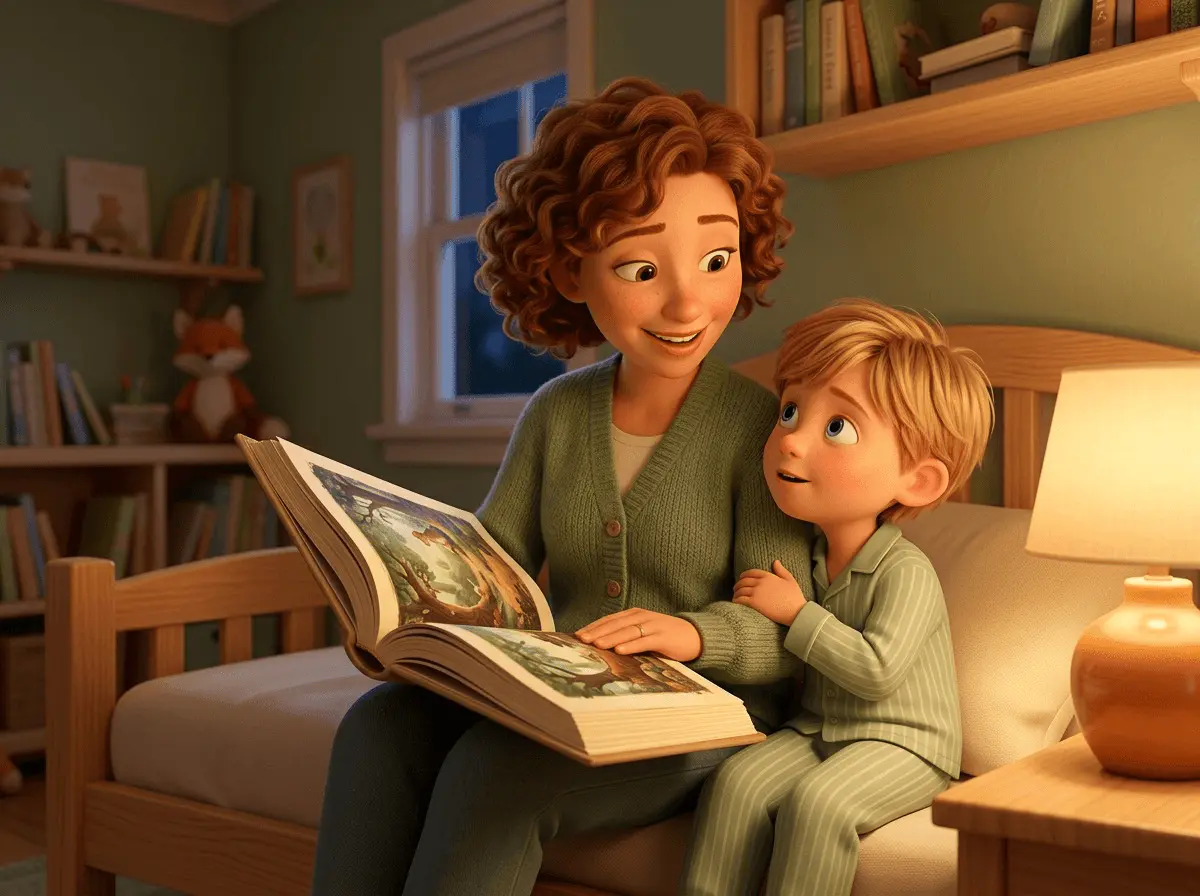
What you read aloud, and why it matters
4. Long, ambitious picture books
Rich text, well-built sentences, words he doesn't know yet. So you read, he listens, and nobody corrects anything. It's through listening that he builds his vocabulary, not through decoding.
5. Traditional tales and stories
Repetitive structures, clearly defined characters, an implicit moral. These stories have lasted through generations because they work. That said, check the version you're using: some adaptations strip away everything that made them effective.
6. A novel read in instalments
One chapter a night, with a thread that picks back up the next evening. Amine, six and a half, asked for the next chapter every single night for three weeks. This way, he discovers that a story can go on and on, which lays the groundwork for longer reads.
The book where he becomes the hero, set apart from the pile
7. A personalised story with his name in it
His name, his face, his world. At six, a child knows perfectly well that it isn't really him. And yet, the identification works all the better precisely because he understands that difference. He plays along, fully aware of the game.
This format has a very specific value at this age: it makes him want to tackle a tricky page, because the reward is immediate. You can create the story where your child becomes the hero and let him read the page where his name appears.
Books for 6-year-olds: three mistakes to avoid
The first is turning bedtime reading into an exercise. The moment you correct his pronunciation, the whole mood shifts. So make sure to keep at least one reading session completely free of correction.
The second is choosing a book based on its stated reading level rather than its subject. A child mad about dinosaurs will happily tackle a too-difficult book about dinosaurs. On the other hand, he'll give up on an easy book about a subject that bores him.
The third, more subtle mistake, is stopping reading to him just because he can read on his own. Many parents stop around Year 1. But learning to read takes several years, and the joy of it can be lost far more quickly than it was built.
How many books at home, and where to put them
Fifteen accessible books are worth more than a hundred stored out of reach. Keep them within his reach, covers facing out rather than spines, in two spots around the house. What's more, the local library solves the problem of keeping things fresh without costing a penny.
To get a sense of where your child stands, Naître et Grandir sets out how children learn to read. Useful for telling a normal pace apart from a genuine difficulty.
At six, he doesn't become a reader because he can decode words. He becomes one because he wants to know what happens next.