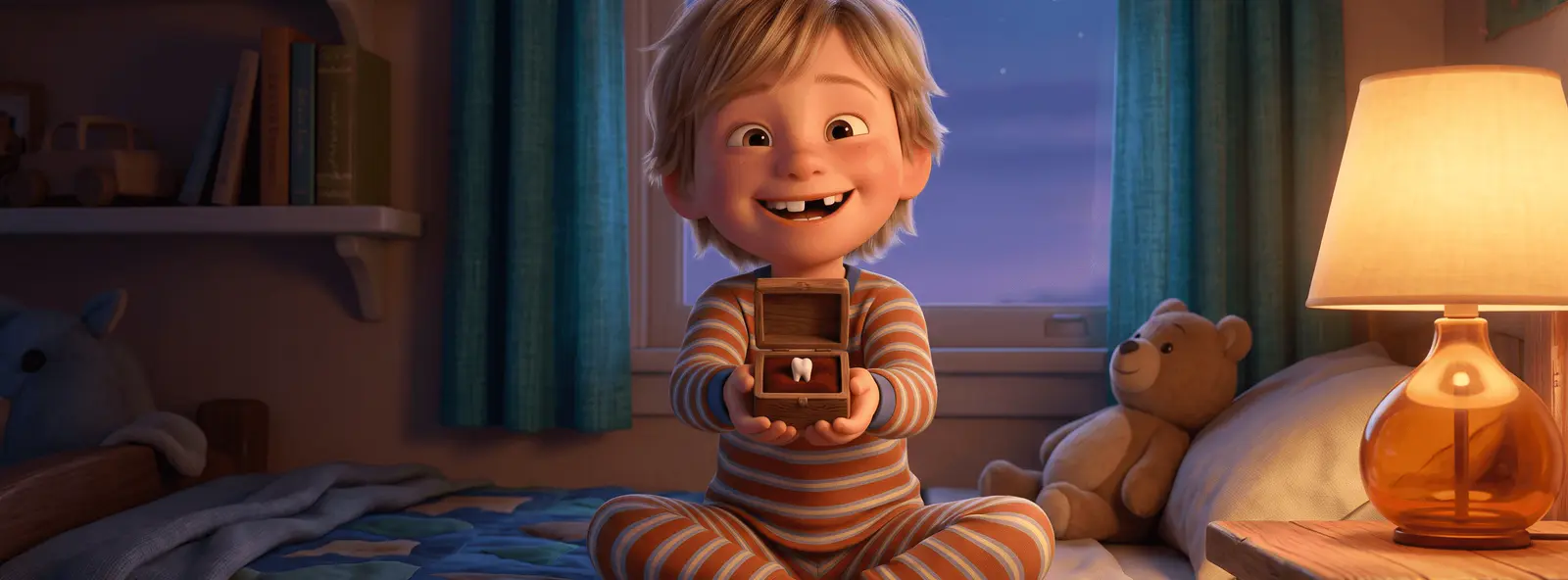

The tooth fairy makes her entrance around age six, on the night the first milk tooth ends up wrapped in a tissue. Parents then realise they haven't prepared anything: no coin, no hiding place, and no answer ready for the question that always comes two years later. Here's what you need for all three stages.
A word first about timing. The first tooth usually starts wobbling between five and seven years old, sometimes earlier, sometimes considerably later, and this variation is nothing to worry about.
Why this tooth matters more than it seems
Losing a tooth is the first transformation a child experiences consciously. The body changes all on its own, without being asked, and it leaves a visible gap in the mirror. Some children love it, others cry.
What's more, this episode arrives right when starting Year 1. The child leaves Reception, learns to read, and loses their baby teeth the same year. As a result, the tooth becomes the most tangible symbol of growing up, and children understand this perfectly well on their own.
This is why the ritual deserves more than a coin slipped under the pillow at midnight. It gives shape to something the child senses only vaguely.
The tooth fairy ritual, made simple
The idea comes down to three steps. The child places the tooth somewhere, someone swaps it during the night, and the child discovers the surprise upon waking.
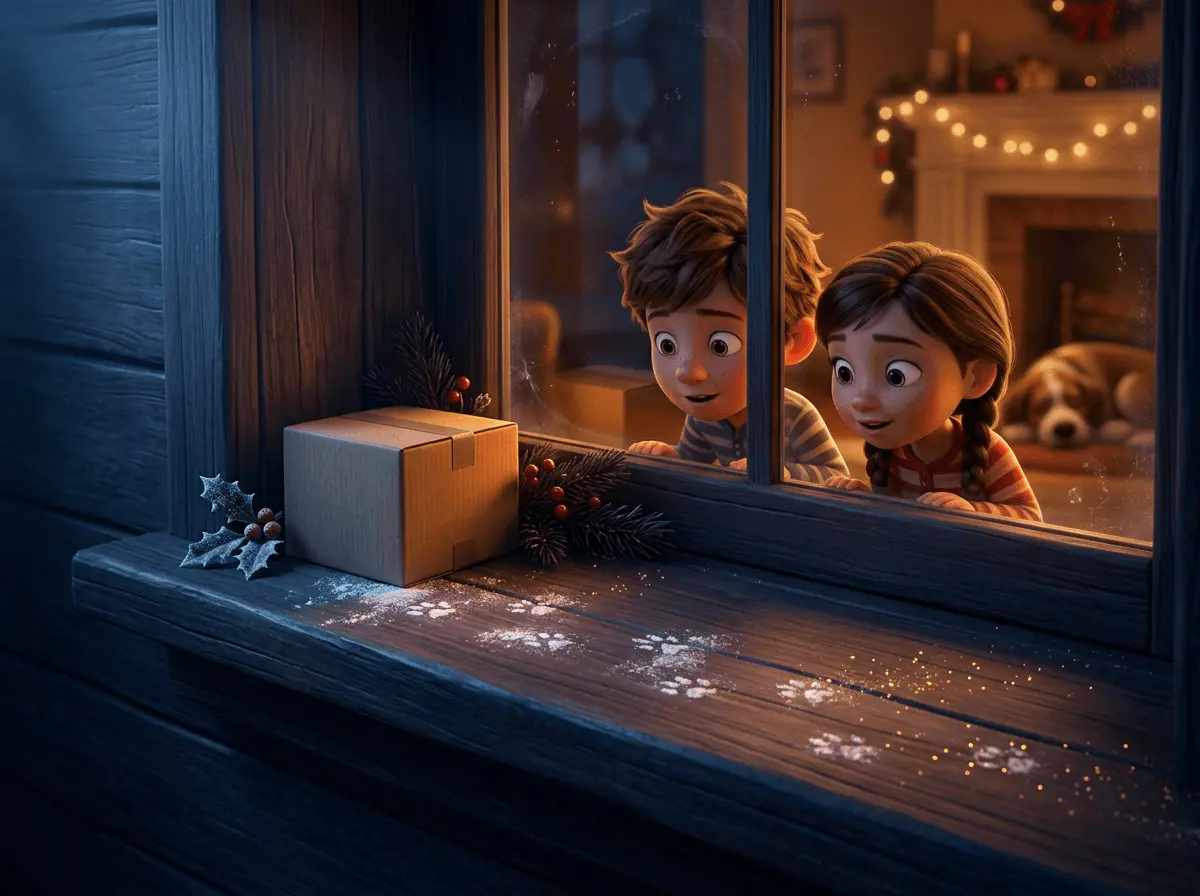
In practice, avoid slipping the tooth under the pillow if your child is a light sleeper. A small box on the bedside table, a glass on the windowsill, or a little pouch hung on the door handle work better, and the parent's hand shakes less.
As for the reward, set the amount from the very first tooth and stick to it for the next twenty. Indeed, children always compare: with their sister, their cousin, their classmate. Many families actually replace the coin with a book, a handwritten note, or a small collectible, which puts an end to playground one-upmanship.
Add a detail that marks the occasion: a tiny note written in small letters, a paw print made with flour, a sprinkle of glitter on the windowsill. These are the details children tell their friends at school about, not the amount.
What to say when they ask if she's real
The question usually comes up around seven or eight, often after hearing it from an older friend. The child's tone tells you what they want to hear: the real question is "did I look silly for believing it?"
So turn the question back to them before answering. "What do you think?" reveals whether they're looking for confirmation or still want to believe the story. Some children have known for six months and carry on because they enjoy the ritual.
Once they've understood, don't deny it half-heartedly. Tell the truth and share the story behind it: who got up in the night, who nearly forgot twice, who kept the teeth in a box at the back of a drawer. This way, the child doesn't lose a belief, they gain a place in the secret. Often, they immediately ask to take on the role for their little brother or sister.
One thing to avoid: telling them off for letting the secret slip to a younger child. They don't yet grasp what that spoils for the other child, so it's better to explain this calmly, once, before it happens.
What to do with the milk teeth you've kept
Many parents keep their children's milk teeth without quite knowing why, in an envelope or a matchbox. There's no obligation to keep them, nor is there anything wrong with doing so.
If you do keep them, write the date on the back of each one: in fifteen years, it's the date that will matter, not the tooth itself. Tooth boxes sold in shops do the job nicely, as does a pharmacy pill box.
If you'd rather not keep a collection, a photo of the gap-toothed smile the next morning works just as well. In fact, that photo almost always ends up in the family album, whereas the box stays tucked away at the back of a drawer.
When the tooth falls out unexpectedly
Some teeth come out after a fall, a knock from a ball, or during a meal. The child bleeds, gets upset, and the ritual takes a back seat. However, a visit to the dentist is needed if the tooth is broken rather than simply fallen out, if the gum remains painful, or if a permanent tooth is coming through behind one that hasn't yet fallen.
Likewise, a tooth that still hasn't budged past the age of seven is worth a check-up, though there's no need to rush. For guidance on this age, Naître et Grandir covers development from 5 to 8 years old.
Making the moment last with a story
The night of the first tooth makes a lovely story. The child plays the starring role, having lost something and gained something else, and they love hearing it retold again and again.
Some families turn it into a book where their child is the main character of that very night. If you'd like to give them their own, you can create the story of their first tooth.
They'll forget how much the coin was worth. They'll remember the flour paw print on the windowsill.